Optimizing Assessment for All: Piloting the assessment of collaboration skills in Cambodia, Mongolia, and Nepal
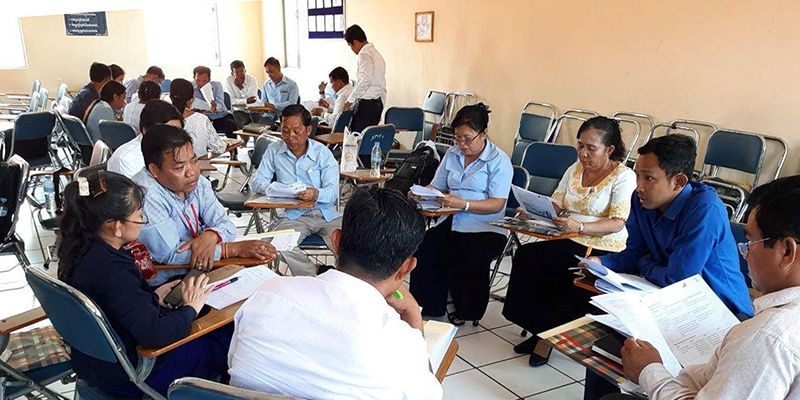
Optimizing Assessment for All is developing assessments of 21st century skills for classroom use. In a recent pilot of assessment of collaboration, critical thinking and problem solving, the classroom experiences clearly identified challenges that confront teachers and students as they
Assessment for Learning – bringing the attention back to learning
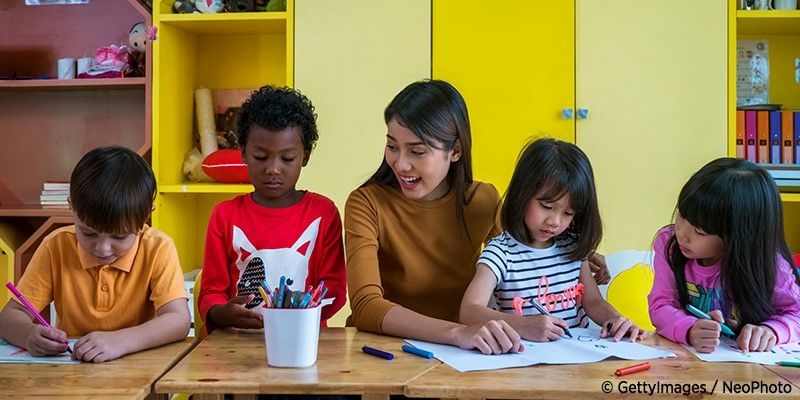
Many schools and education systems still place significant priority on measuring learning outcomes with scores, grades and marks. But this focus and emphasis often misses a bigger picture, and doesn’t take into account the process of learning. Assessment for Learning
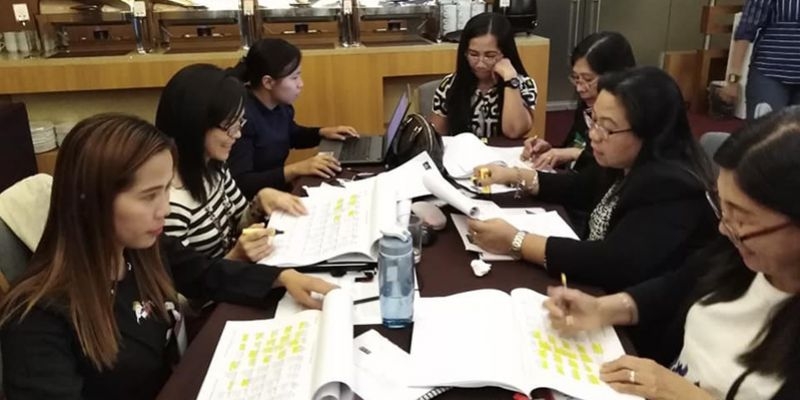
Developing a strategic roadmap for integration of 21st century skills in the Philippines
The Analysis of 21st Century Skills Integration Program aims to support a strategy for assessing and teaching these skills in the Philippines. The project will culminate in a roadmap that focuses on alignment of curriculum, assessment, and pedagogy practices in
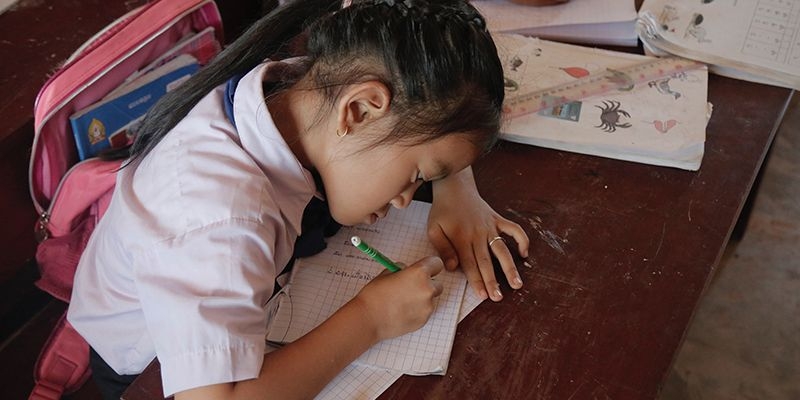
New regional learning assessment for Southeast Asia paving the way for action
After five years of careful development, the Southeast Asia Primary Learning Metric (SEA-PLM) is about to deliver. The data collection for the first assessment round (SEA-PLM 2019) is almost complete and final steps are being prepared to allow stakeholders to

Inclusion of learners with special needs in the national assessment of the Philippines
In the Philippines, the needs, capacities and diverse circumstances of learners with special educational needs (LSENs) are carefully studied and given a special attention. With the implementation of its 12-year basic education program, the country has a goal in mind

NEQMAP reinforces its effort to promoting quality and inclusive education
Attended by more than 50 delegates, the NEQMAP Secretariat at UNESCO Bangkok organized the 6th annual meeting of NEQMAP on 13-14 December 2018 in Bangkok, Thailand. This year’s gathering was special as for the first time it was organized with a

Ensuring equal opportunities for the disabled in the National College Entrance Examination in China
On June 7th 2014, 46-years-old Li Jinsheng walked into the examination room to participate his first Gaokao (National College Entrance Examination), known as the most important assessment for the Chinese. Although most of the questions were not answered, he became the
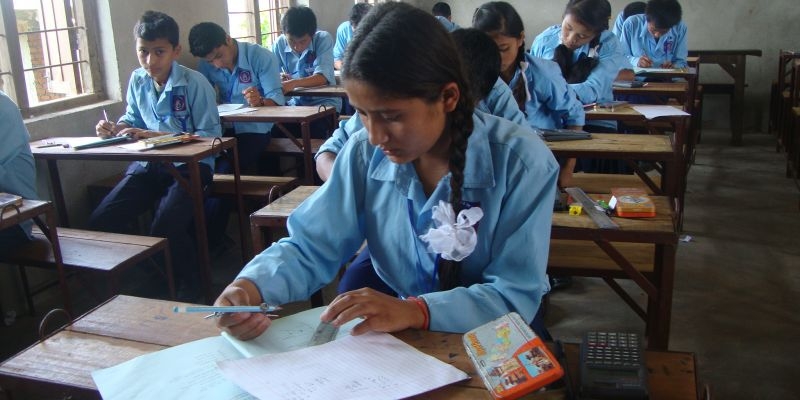
A glimpse of learning inequality across different disadvantaged groups in Nepal
In today’s era of technological evolution, education is considered as the means of human development and gaining knowledge and skill to increase personal productivity and quality of life. Most of the people gain the knowledge and necessary skills from school, particularly
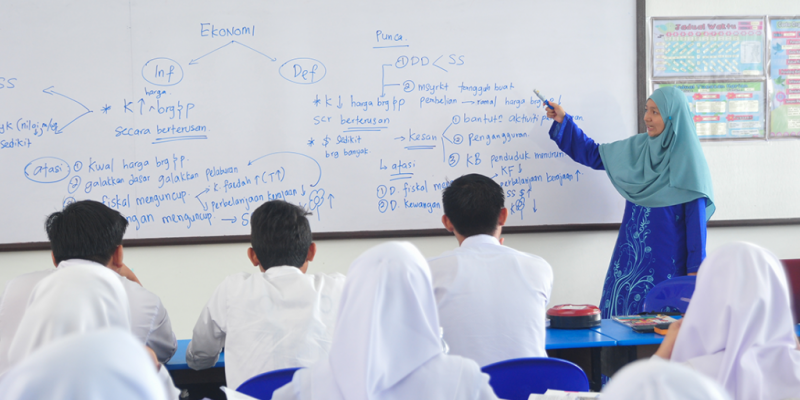
Giving countries the support they need: Ensuring educational quality through assessment
The Network on Education Quality Monitoring in the Asia-Pacific (NEQMAP) turns five – assessing the network’s contributions to national capacity development and SDG4 in the past, present and future A recent NEQMAP workshop in Penang, Malaysia, focused on three dimensions:

Better and more information on factors influencing learning across Southeast Asia
The Southeast Asia Primary Learning Metrics (SEA-PLM) is a new regional assessment developed specifically for the countries represented under the Association of Southeast Asian Nations (ASEAN) and the Southeast Asian Ministers of Education Organization (SEAMEO). The novelty of SEA-PLM is

Conceptualization of students’ quality of school life: Findings from an empirical study in Malaysia
Assessing students’ views of quality of school life (QSL) could shed light on ways to promote and assure the quality of school education. However, research on QSL is considered scarce, particularly in the Malaysian school context. In addition, it is
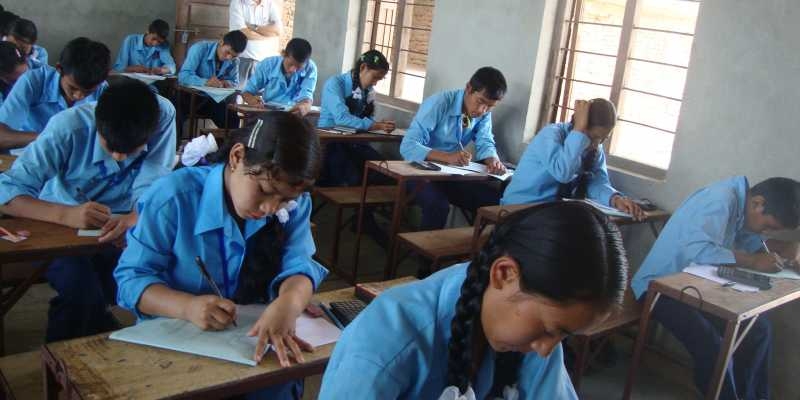
Exploring factors related to students’ learning achievement in Nepal
Every student has different characteristics. Therefore, the style and pace of learning depend on the context, personal characteristics and home background of the learner. Similarly, the student’s learning is influenced by the curriculum as well as teacher- and school-related factors.