
Article

nepal-article-photo
Nepal

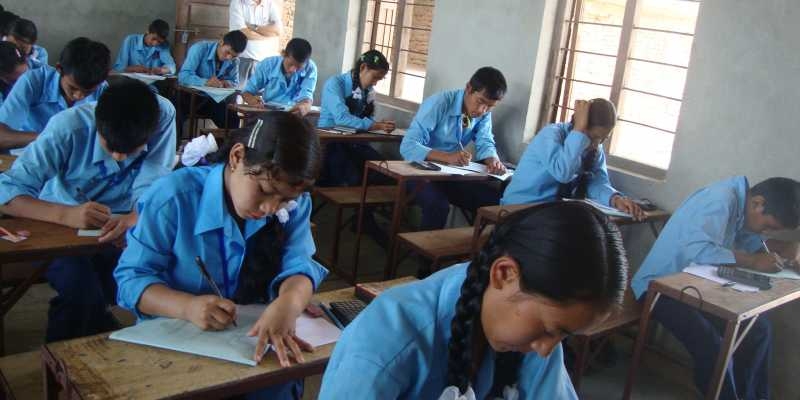
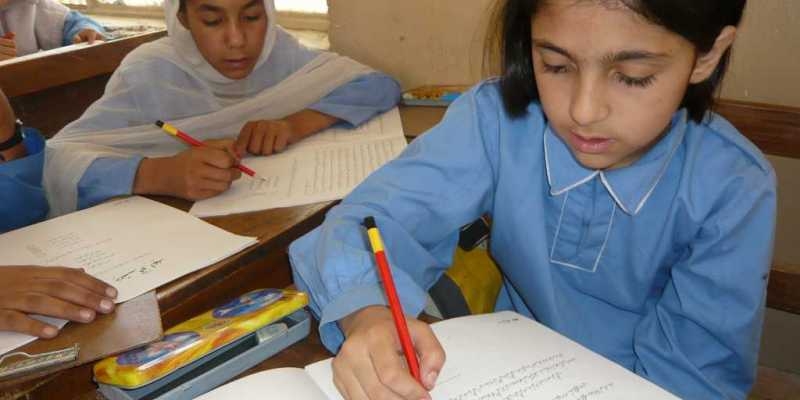
Exploring factors related to students’ learning achievement in Nepal

Every student has different characteristics. Therefore, the style and pace of learning depend on the context, personal characteristics and home background of the learner. Similarly, the student’s learning is influenced by the curriculum as well as teacher- and school-related factors.

john-schnobrich-520023-unsplash
NEQMAP

PISA 2015 contextual data and the case of the digital divide

Every three years the media turns its attention to the results from PISA, the Programme for International Student Assessment, which compares the performance of 15-year-old students around the world in reading, mathematics and science. Data are collected through carefully designed

acer-article-copy
NEQMAP

Monitoring equity: Socioeconomic status in learning assessment

Why capture socioeconomic status? Socioeconomic status (SES) is an important element in understanding the data from educational large-scale assessments – be they international, regional or national in scope. The importance of SES stems from its substantive effects on student performance,

shutterstock613484024
NEQMAP

NEQMAP Highlights from 2017: Research and Knowledge Sharing

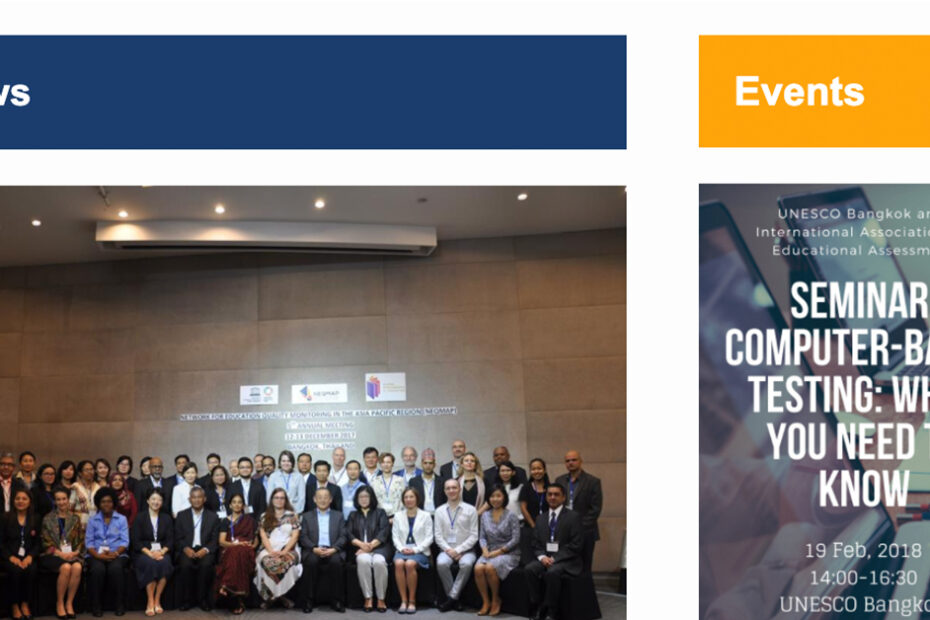
2017 was another year of growth and expansion for the Network on Education Quality Monitoring in the Asia Pacific (NEQMAP), for which UNESCO Bangkok serves as the Secretariat. The NEQMAP ‘family’, which had 18 members in early 2014, has now

shutterstock116498947_0
Culture of Testing

Social Expectations of Learning – the Culture of Testing

What is a culture of testing?  High-stakes exams often determine learners’ futures: transition, graduation, entrance to higher education, to better schools, or to better jobs. In some cases, the stakes are so high that examinations can dominate thinking about the

shutterstock582909109
Assessment

From Assessment to Action by Teaching at the Right Level

Despite having a high enrollment, children continue to struggle with basic arithmetic and language skills. Study shows, although around 95 per cent of Indian children in the age group of six to fourteen are enrolled in schools, hardly half of

photo_0
NEQMAP

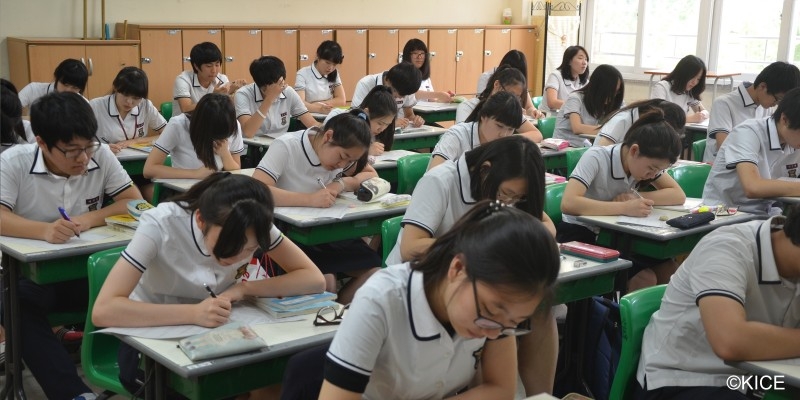
New Education Policies and Practices in South Korea

On September 23, 2015, the Ministry of Education in South Korea adopted the National Guidelines of the 2015 Revised National Curriculum. The new national curriculum will be fully implemented by the year 2020, and the key objective of the new

©unescoschaiyasook-77
NEQMAP

Capacity development

Recognizing the importance of capacity development, NEQMAP devotes significant attention to activities which aim to enhance the institutional capacity of the countries in the region in regard to learning assessment. Towards this end, NEQMAP has been organizing a series of

Scroll to Top